
USA: Study in the USA and open doors to endless opportunities.

Study in USA
4,000+

Universities

20k–60k USD

Tuition Fees

1M+

Intl. Students

12–36 Mo.

Work Permit (OPT)

Why Study In The USA for Nigerian Students?

🎓

World-Renowned Universities

The USA is home to many top-ranked universities known for cutting-edge research and diverse programs.

💼

Work Opportunities

Students can work on-campus and access Optional Practical Training (OPT) for hands-on experience post-graduation.

🌎

Diverse Cultural Experience

Experience vibrant multicultural campuses and communities across the country.

📚

Wide Range of Programs

Choose from thousands of degrees, majors, and research opportunities in virtually every field.

🕒

Flexible Academic Calendar

Many universities offer flexible semesters and online options to fit different schedules.

🌟

Post-Graduation Visa Options

F-1 visa holders can apply for Optional Practical Training (OPT) allowing up to 3 years work experience.

Book Your Free Consultation Today!

Popular Courses In The USA

Studying in the USA offers access to world-class education and unmatched career opportunities.
Explore the most popular courses in the USA chosen by international students:

Business Administration

Business Administration

Engineering

Engineering

Computer Science

Computer Science / IT

Health Sciences

Health Sciences / Nursing

Social Sciences

Social Sciences

Arts and Architecture

Creative Arts / Design / Architecture

Cost Of Learning
In The United States

Studying in the USA involves tuition and living expenses that vary by state, school, and program. Understanding the costs upfront helps you budget well for your American education journey.

Tuition Estimates (Yearly)
Community College $4,000 – $8,000
Undergraduate $20,000 – $55,000
Postgraduate $25,000 – $60,000
Living Costs (Monthly)
Major Cities $1,500 – $2,200
Other Areas $900 – $1,400

Explore Studying in the USA

Documents Checklist for US Admissions

  • International Passport.
  • Change of name documents (for married females).
  • Official academic transcripts (High School, Undergraduate, or Graduate level).
  • Letters of recommendation from teachers or mentors.
  • Resume or Curriculum Vitae (CV).
  • Statement of Purpose or Personal Statement.
  • Standardized test scores (SAT/ACT for undergrad, GRE/GMAT for graduate programs).
  • Proof of English proficiency (TOEFL, IELTS, or equivalent).
  • Financial documents to prove funding.
Request a Free Consultation
Testimonials Slider

Testimonials

What Our Students and Partners Say About Us

“A close friend Introduced me to Western Education Ville, I booked an appointment with the C.E.O and she was really attentive, she assigned me a counsellor. The process was very smooth, my counsellor guided me up to my enrollment stage.”

- Ikpenmosa Samuel

University of Bradford

“I contacted Western Education Ville for Visa counselling after my previous agent stopped picking my calls, They handled my visa application smoothly and the best part is that they pick calls and respond to emails fast! ”

- Smith John

BCUIC

“I was so skeptical about using agent at first because I have heard lots of stories and read many reviews but Western Education Ville really surprised me, I got an offer from SHU within 3 weeks. It was the best decision I ever made! ”

- Babalola Charles

Sheffield Hallam University

“Someone I met at the TB center introduced me to W.E.V. I contacted them on phone for visa application and I am glad I did. ”

-Wasiu Basit

Sheffield Hallam University

Scholarships In The USA

American universities offer numerous financial aid options for international students, including merit scholarships, need-based grants, and program-specific awards. These help reduce tuition costs and support academic excellence.

Furthermore, US scholarships for international students are available through federal programs, private foundations, and institutional funding. Notable scholarships include the Fulbright Program, Hubert H. Humphrey Fellowship, and various university-sponsored grants.
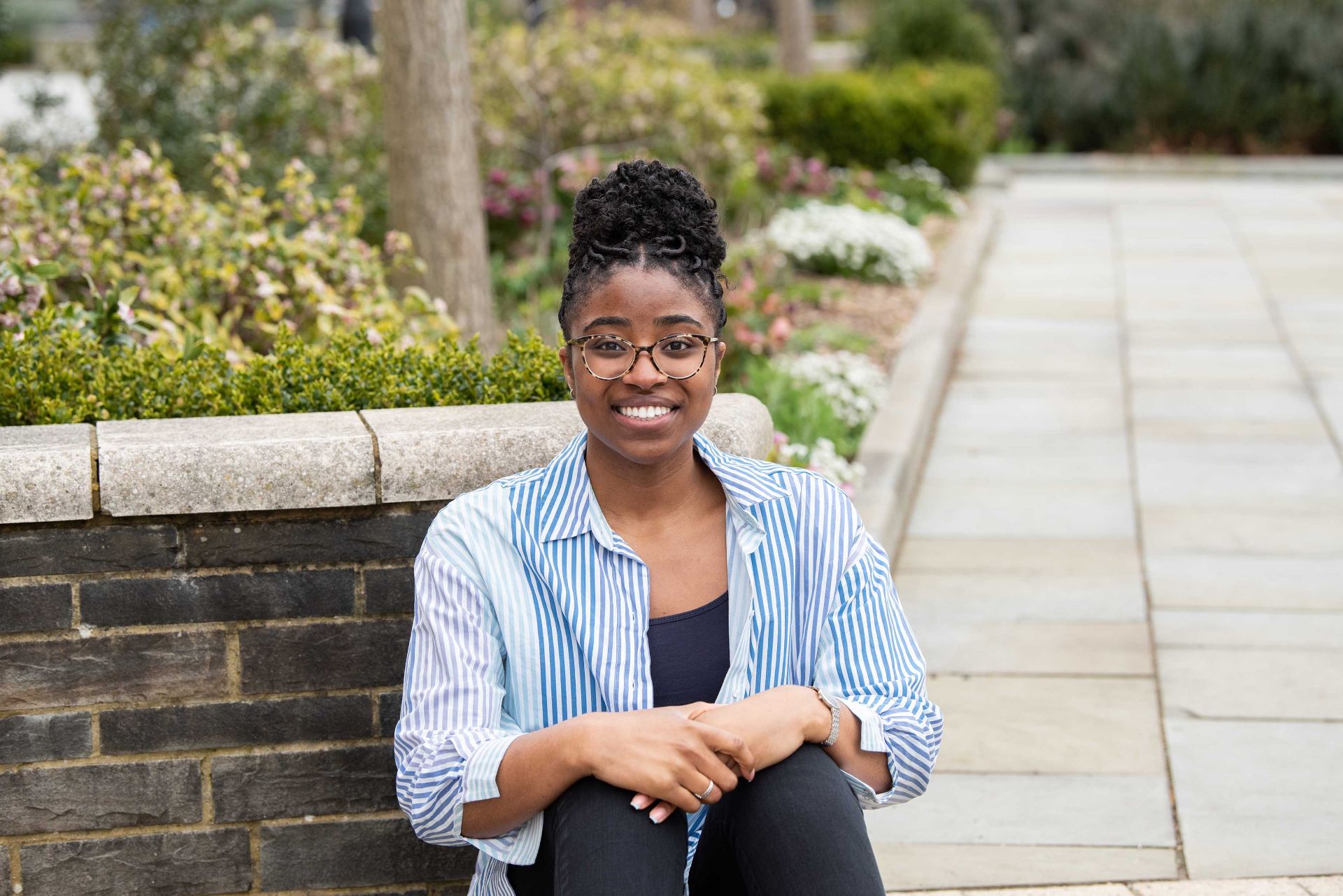

USA Scholarship Students
Study in the USA - FAQs

FAQs About Studying in the USA

What is the average cost of studying in the USA? +
Tuition fees vary widely depending on the type of institution and program but generally range between $20,000 to $50,000 per year. Living expenses average around $10,000 to $15,000 annually, depending on location and lifestyle.
Do I need to take the TOEFL or IELTS exam for studying in the USA? +
Yes, most US universities require proof of English proficiency through exams like TOEFL or IELTS. Some universities also accept alternatives such as Duolingo English Test or may waive the requirement if you have studied in English previously.
What types of student visas are available for studying in the USA? +
The most common student visa is the F-1 visa for academic studies. Other options include the J-1 visa for exchange visitors and the M-1 visa for vocational studies. The F-1 visa is the most widely used by international students.
How do I apply for a US student visa? +
After receiving your I-20 form from a SEVP-certified school, you must complete the DS-160 form online, pay the SEVIS fee, schedule a visa interview at a US embassy or consulate, and bring all required documents including proof of financial support.
Can I work while studying in the USA? +
Yes, F-1 visa students can work on-campus up to 20 hours per week during the semester and full-time during breaks. Off-campus work requires authorization such as CPT or OPT programs, which have specific rules.
What are the top universities in the USA for international students? +
Leading US universities include Harvard University, Massachusetts Institute of Technology (MIT), Stanford University, University of California—Berkeley, and Yale University. These institutions are renowned for research, diversity, and academic excellence.
Study Journey Banner